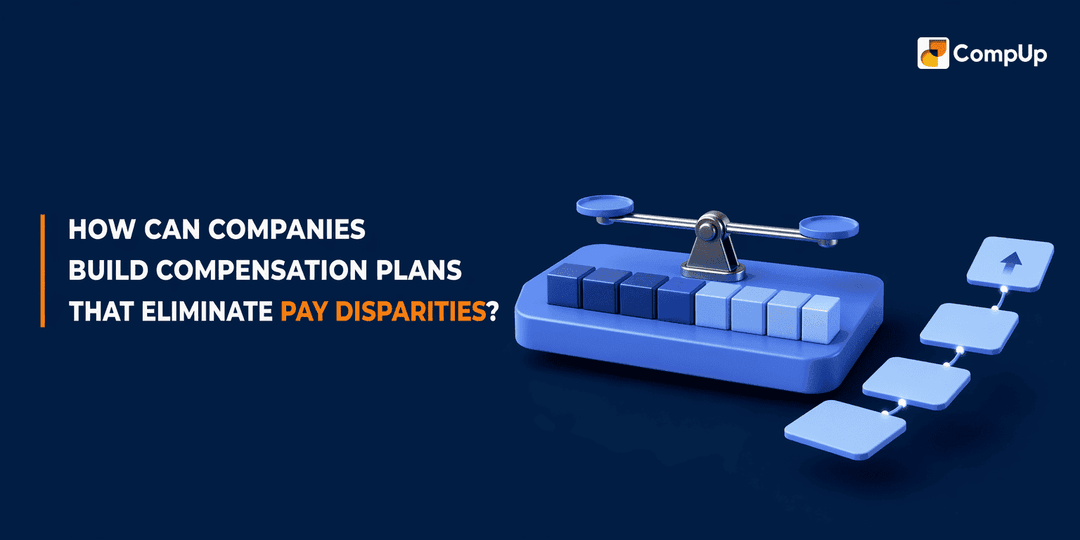

Most organizations discover pay gaps too late — after employees are hired, raises compound initial inequities, and remediation becomes expensive. Preventing disparities through proactive compensation design is both more cost-effective and culturally sustainable than post-hire audits.
Preventing pay disparities before they take root is more cost-effective than remediation because the root causes — unstructured pay ranges, negotiation bias, and inconsistent leveling — are design flaws, not operational errors. When employers don't provide pay information upfront, discrimination and unjustified pay gaps flourish, compounding over time into legal exposure, turnover, and trust erosion. Proactive prevention embeds equity into compensation planning from the hiring stage, eliminating the downstream costs of discovery and correction.
Three systemic causes create disparities before employees are hired. First, the absence of structured pay ranges allows negotiation-driven starting salaries to vary widely for identical roles. Women who negotiate pay tend to get turned down more often and end up with less than men who negotiate, perpetuating existing gaps. Second, pay secrecy keeps employees from trusting they are paid fairly and allows bias to go unchecked. Third, inconsistent role classifications — where similar jobs carry different titles or levels, create internal inequities that compound across promotion cycles. Platforms like CompUp support pay equity management by enabling structured bands and continuous equity checks rather than audit-only approaches.
When disparities are discovered post-hire, the financial and cultural costs escalate. Women in the United States are typically paid just 76 cents for every dollar paid to a man, a difference of $14,170 over the course of a year. Remediation demands back-pay adjustments, compliance penalties, and often legal settlements, but the hidden cost is employee trust: workers who discover they were underpaid relative to peers are more likely to leave, even after corrections. Prevention through transparent pay ranges and proactive equity analysis reduces these downstream risks by embedding fairness into the initial offer, not retrofitting it after damage is done.
Understanding the root causes is only the first step, the next is to lock in equity through structured pay architecture before any offer is extended.
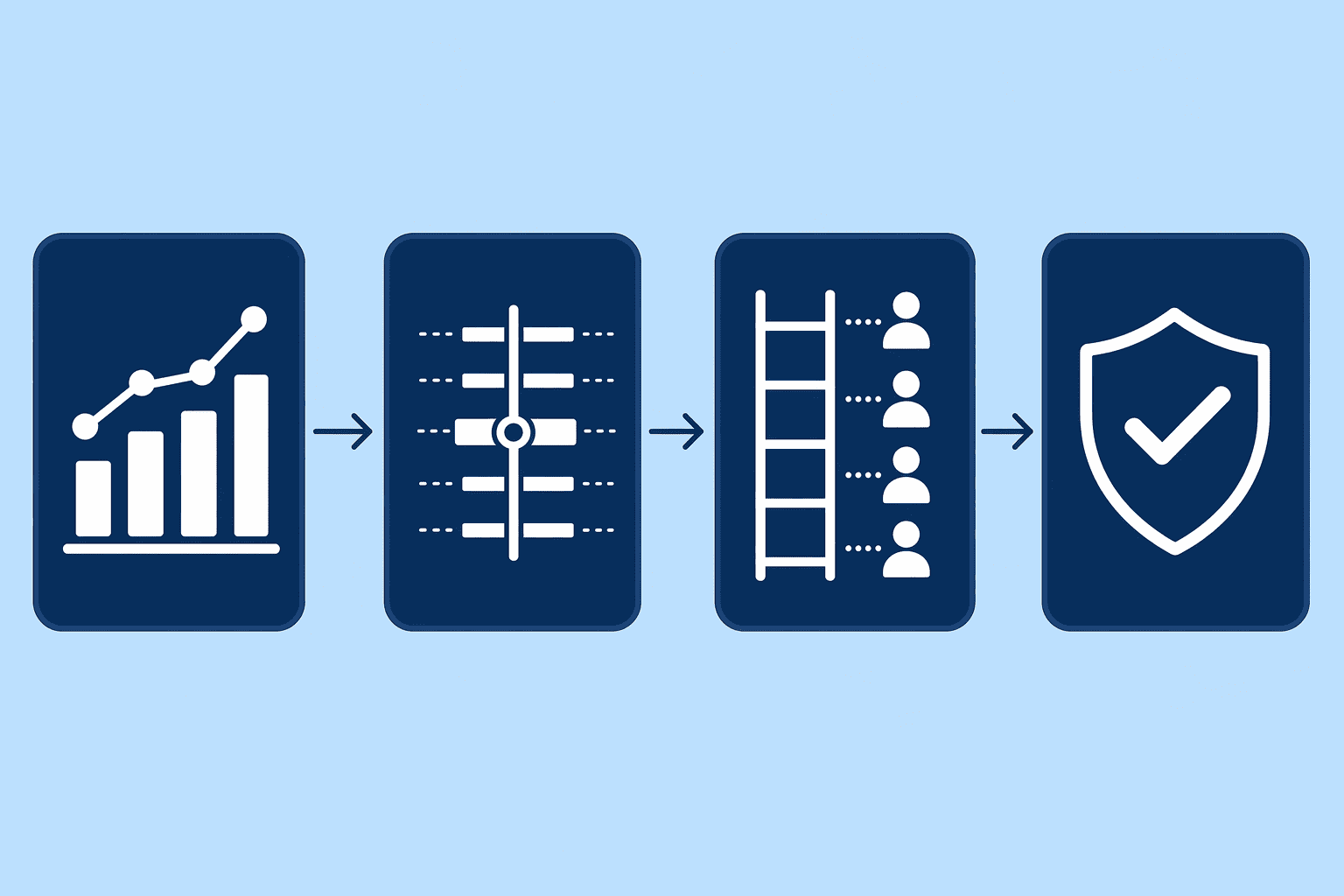
Structured pay bands prevent disparities by locking in equitable salary ranges *before* negotiation begins. Organizations with transparent pay structures, such as those required under UK government guidance, demonstrate measurably fairer outcomes. The band-building workflow consists of four steps:
Suggested Read: How to Determine and Build a Compensation Range?
Two anti-patterns undermine band integrity. First, overly wide bands (50% or greater spreads) grant hiring managers discretionary authority that research links to demographic pay gaps. Second, retroactive band creation, designing ranges *after* a candidate negotiates, codifies the very disparities bands are meant to prevent. California's SB 1162 and similar state laws now require salary ranges in all job postings, removing the option to delay band documentation. Organizations that build bands *before* requisition approval satisfy both regulatory mandates and internal equity goals, eliminating the need for post-hoc audit corrections.
Suggested Read: Step 2: Standardize Job Leveling and Role Descriptions
Pay bands provide the framework, but without consistent job leveling, roles drift away from their assigned bands and compensation becomes arbitrary.
Inconsistent job titles and manager-driven leveling create pay gaps by decoupling roles from actual responsibilities and compensation bands. Standardized leveling frameworks ensure comparable work is classified consistently, preventing title inflation and misclassification that drive pay disparities. CompUp supports transparent job leveling workflows, enabling HR teams to define job families, levels, and competency criteria that tie roles to specific pay bands across departments.
Platforms like Pequity let HR teams price roles, manage pay bands, and simplify approvals in one interface, reducing manual classification errors.
Title inflation, labeling entry-level work as 'Senior Engineer', and manager-driven leveling detach job titles from actual scope, creating pay gaps. Standardized frameworks eliminate these disparities by anchoring every role to documented competency criteria and market-aligned bands. The UK government recommends job evaluation schemes that assess roles objectively, ensuring equal pay for work of equal value and preventing classification bias. When leveling decisions follow documented criteria rather than manager discretion, organizations close the gap between role labels and actual compensation.
With bands and leveling in place, the next vulnerability is the offer stage, where negotiation can reintroduce the very disparities your structure was designed to prevent.
Standardized offer protocols remove manager discretion at the hiring stage, preventing negotiation-driven pay gaps from entering the system. When employers keep pay information secret, negotiation dynamics favor candidates who negotiate aggressively, and women and people of color tend to end up with lower starting salaries even when they negotiate.
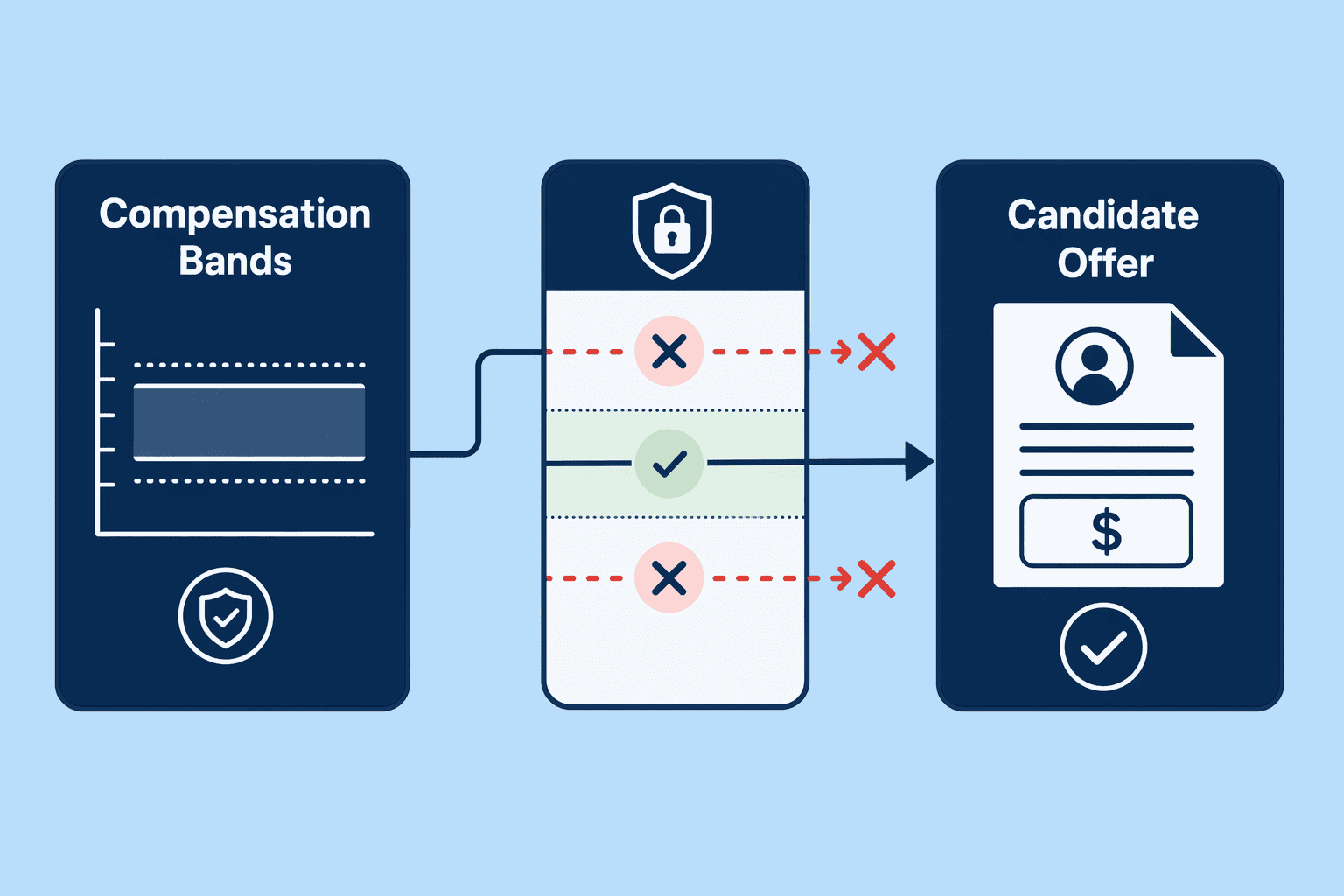
CompUp automates these workflows through its Compensation Bands and Candidate Offers features, enforcing band constraints at offer generation and flagging out-of-range proposals before they reach the candidate.
Negotiation-driven starting salaries create lifetime earnings gaps because most organizations apply merit increases as a percentage of base salary. A candidate who negotiates a 10% lower starting salary will earn 10% less at every subsequent raise cycle, compounding the initial disparity over decades. Transparent offers prevent this compounding effect by anchoring every new hire at the same band entry point for equivalent roles and experience levels, ensuring merit decisions drive future pay rather than past negotiation outcomes.
Prevention at hire is critical, but disparities can still resurface during annual compensation cycles if equity validation is not embedded into merit and promotion planning.
Pay equity is not a one-time effort, disparities can resurface without continuous monitoring. Rather than treating audits as isolated compliance events, leading HR teams embed equity validation directly into their annual merit, promotion, and compensation-planning workflows. This approach catches drift before it compounds, ensuring that every budget cycle reinforces fairness rather than introducing new gaps.
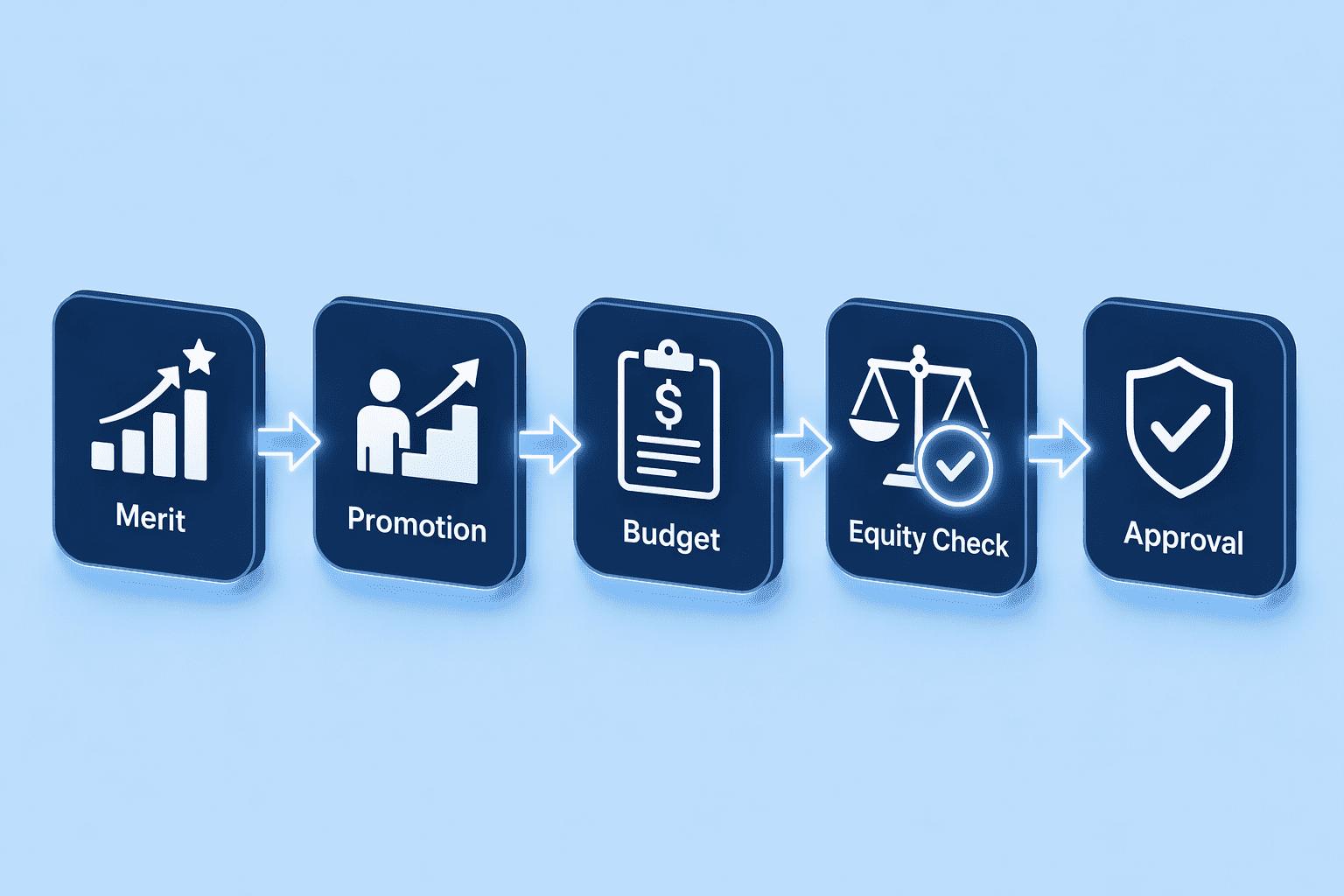
What this means: before finalizing salary increases and promotions, run a regression analysis or pay gap metric review on the proposed changes. Modern pay equity platforms collapse what used to be a multi-month consulting project into a continuous, automated workflow, so you can flag outliers during the planning window rather than after payroll locks.
Platforms like CompUp's compensation planning module provide real-time pay equity analysis, compa-ratio tracking, and compliance automation, enabling HR to track equity across departments and locations during every merit cycle.
The audit-only model, running a thorough pay equity review once per year, leaves months of unchecked decisions between reviews. Off-cycle promotions, counter-offers, and ad-hoc raises can introduce new disparities that won't surface until the next audit. Continuous monitoring embeds equity checkpoints into the workflows where compensation decisions actually happen: merit planning, promotion reviews, and new-hire offers.
Key takeaway: by integrating equity validation into your compensation planning cycles, you shift from reactive remediation (fixing gaps after they've compounded) to proactive prevention (catching drift in real time). This approach also satisfies evolving compliance requirements, companies must ensure they comply with regulations like the Equal Pay Act and other anti-discrimination laws, and aligns with workforce planning best practices that emphasize continuous alignment between workforce decisions and organizational objectives.
Compensation cycles provide checkpoints, but true prevention requires continuous monitoring between those cycles to catch drift as it emerges.
Pay equity within organizations of all sizes has come under increased scrutiny, and maintaining it is not a one-time task but an ongoing commitment that requires regular audits, transparent communication, and data-driven decisions. Without ongoing monitoring and adaptation, disparities can resurface, undermining the hard work already done.
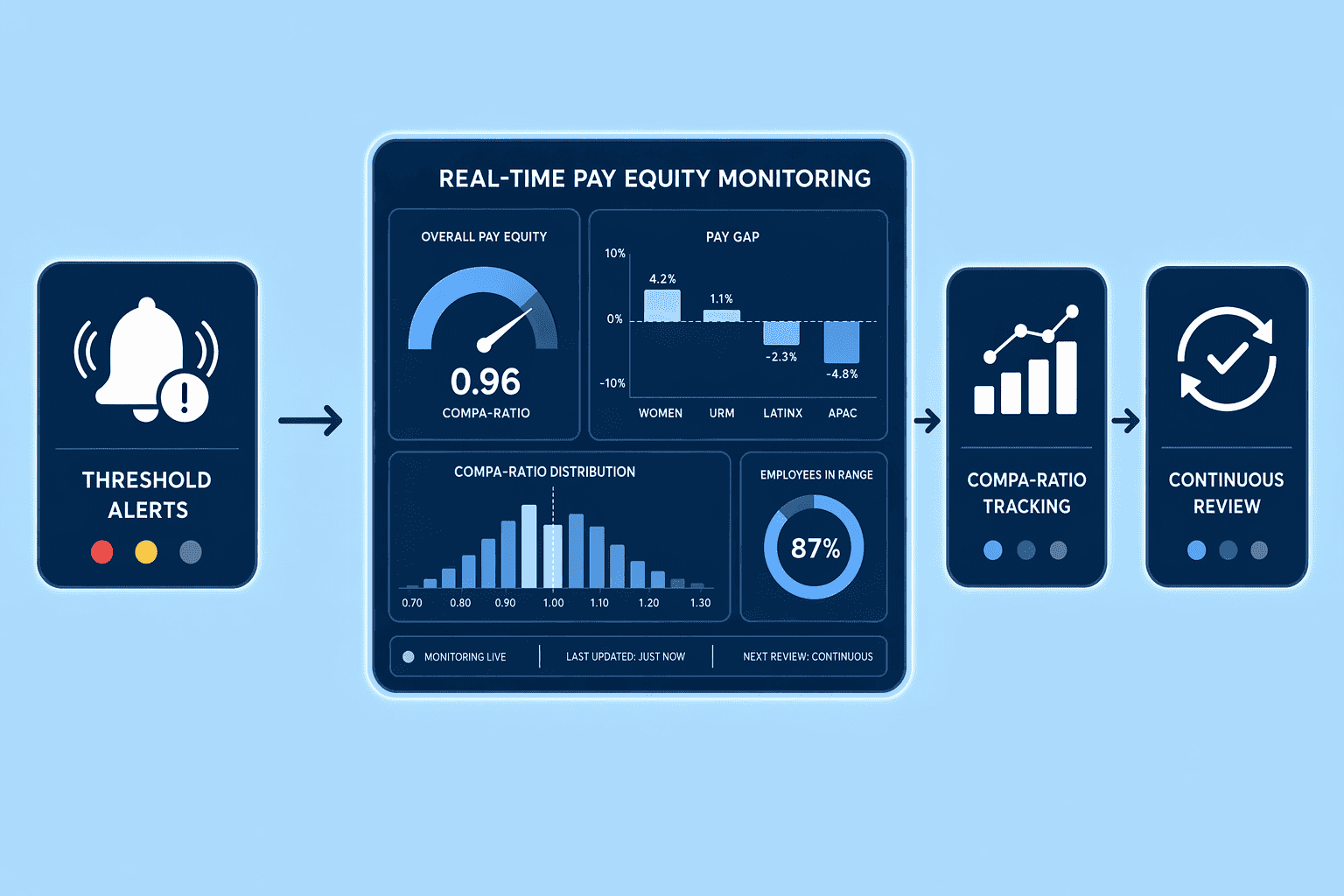
Track these key metrics continuously:
Surface alerts when disparities exceed thresholds. CompUp provides real-time pay equity analysis, compa-ratio tracking, and compliance automation, one platform option among several that collapses what used to be a multi-month consulting project into a continuous, automated workflow.
Beyond annual cycles, validate equity immediately when:
The compensation landscape is ever-changing, driven by market shifts, workforce dynamics, and evolving laws. Continuous monitoring is not optional, it catches pay drift before it compounds.
Also Read: How Compensation Planning Software Supports Prevention (Not Just Audits)
Manual monitoring and spreadsheet-based equity checks scale poorly, modern compensation platforms operationalize prevention through automation and real-time analytics.
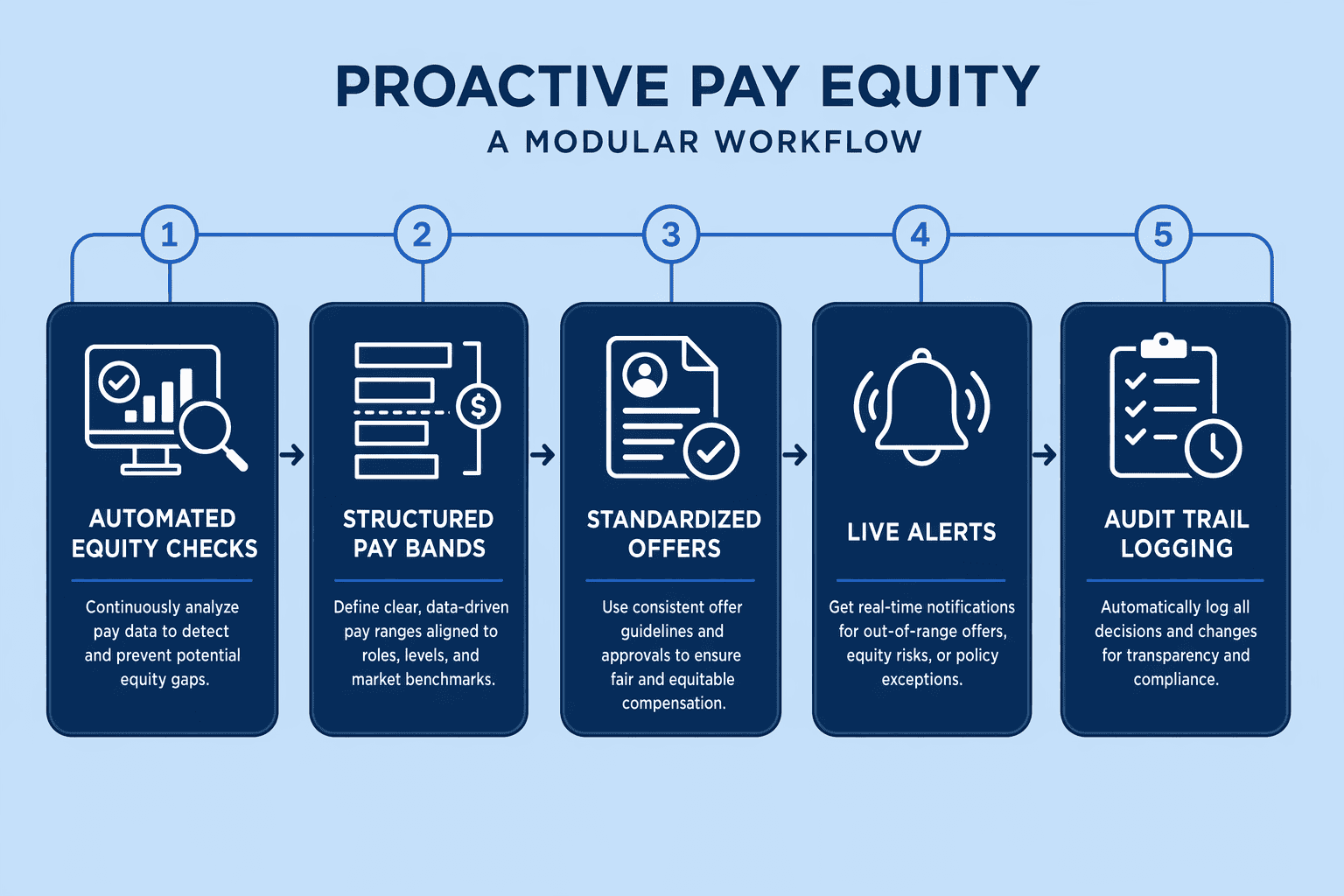
Modern compensation platforms automate equity checks during merit cycles and offer workflows, preventing disparities before they reach audits. CompUp monitors compensation data on an ongoing basis and sends automated alerts if disparities or compliance issues arise. Structured pay band management enforces consistency, while offer standardization workflows ensure new hires land within defined ranges, eliminating manager-by-manager variance. Audit trail generation records every approval, supporting both compliance and transparency.
The table below compares four platforms on pricing, pay equity features, and US market fit:
| Platform | Pricing | Pay Equity Features | US Market Fit | Best For |
|---|---|---|---|---|
| CompUp | $3/employee/year (enterprise) | Real-time equity analysis, automated alerts, compa-ratio tracking | Mid-market; compliance automation for California pay transparency | Mid-market firms prioritizing continuous equity checks; fewer integrations than enterprise-focused tools |
| Pave | Not publicly disclosed | Automated pay equity audits, legal compliance dashboards | Strong US compliance focus | Enterprise teams needing legal-backed audit reports |
| ChartHop | Not publicly disclosed | Comprehensive performance-linked compensation planning | Moderate US presence | Teams integrating performance reviews with pay cycles |
| Paycom | Not publicly disclosed | Full-stack HRIS including compensation planning | Extensive US footprint | Organizations seeking all-in-one HRIS; trade-off: heavier implementation lift |
Also Read: Top Compensation Planning Tools 2026
Manual processes can meet legal compliance requirements, but compensation planning software automates equity checks and reduces error risk, the trade-off is upfront implementation cost versus long-term efficiency and audit-trail reliability. Broad pay bands offer flexibility for rewarding high performers, but overly wide ranges permit manager discretion that can replicate bias, the trade-off is adaptability versus consistency and equity assurance.
As pay transparency laws expand across more US states and global jurisdictions, the distinction between proactive prevention and reactive remediation will define which organizations build trust and which face recurring compliance and retention challenges.
Audit your current pay structure for unstructured bands and inconsistent leveling this week, then explore CompUp's continuous equity monitoring dashboards to operationalize prevention workflows. Request a free demo to see how CompUp can help you prevent pay disparities before they start.
Pay disparity refers to any measurable difference in compensation between demographic groups, while pay inequality is unjustified disparity not backed by objective business reasons like experience, role complexity, or market factors. Preventing disparity targets systemic causes, unstructured bands, negotiation bias, inconsistent leveling, rather than eliminating all pay variation.
No, software is not legally required for compliance. Pay transparency laws mandate disclosure of salary ranges and certain audit practices but do not specify tools. Software automates workflows and reduces error risk, but manual processes can meet legal requirements. The trade-off is upfront implementation cost versus long-term efficiency and audit-trail reliability.
Quarterly monitoring is recommended for large organizations; smaller teams should conduct at least annual checks, with ad-hoc audits triggered by M&A, restructures, or mass role changes. Pay equity is not a one-time effort, disparities can resurface without continuous monitoring, so embed equity validation into annual merit, promotion, and compensation cycles.
States like Massachusetts and Oregon offer safe harbor to employers who conduct good-faith pay audits and make progress addressing disparities, meaning reduced penalties if a complaint arises. Frame audits as verification checkpoints in a continuous prevention framework, not the primary intervention. Safe harbor recognizes proactive efforts to address systemic causes.
Anchor new hires at band minimum unless documented experience justifies higher placement, limit negotiation to band constraints, and train hiring managers on consistent offer rules. Negotiation-driven starting salaries create lifetime earnings gaps because most organizations apply merit increases as a percentage of base salary, compounding initial disparities over decades.
Yes, pay differences are acceptable when backed by objective business reasons: experience, specialized skills, performance, geographic cost-of-labor differences, or role complexity. The key is documentation and job-relatedness. Disparities must be justified, not eliminated entirely. Without ongoing monitoring, even justified differences can drift into systemic inequity.
Track pay gap by role/level/tenure, compa-ratio distributions by demographic group, promotion rate parity, offer acceptance rate disparities, and time-to-promotion variance. Real-time dashboards surface alerts when gaps exceed thresholds. Platforms like CompUp provide real-time pay equity analysis and compa-ratio tracking, collapsing multi-month consulting projects into ongoing workflows.
Community Manager (Marketing)
As a Community Manager, I’m passionate about fostering collaboration and knowledge sharing among professionals in compensation management and total rewards. I develop engaging content that simplifies complex topics, empowering others to excel and aim to drive collective growth through insight and connection.
Revolutionizing Pay Strategies: Don't Miss Our Latest Blogs on Compensation Benchmarking