
Your finance team just flagged a 9% unexplained compensation variance in the engineering department. The numbers are clean, the job codes match, but something is off. Now your general counsel is asking if you are litigation-ready.
A pay disparity is a systematic difference in compensation for substantially equal work, a violation the Equal Pay Act of 1963 has prohibited for over six decades. Every week you delay a structured audit, the liability compounds.
The root causes are rarely malicious. Anchoring offers to a candidate's prior salary rather than market ranges can create disparities that compound over time. Inconsistent job leveling across departments and unmanaged negotiation outcomes do the rest. The result: 70% of the gender wage gap remains unexplained, pointing to invisible systemic drivers that a spreadsheet will never catch.
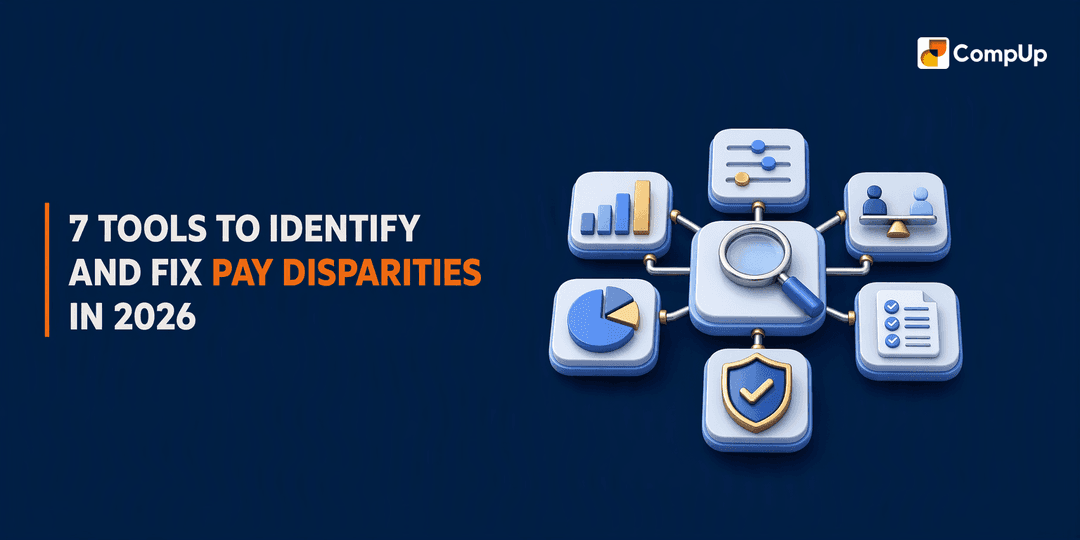
This article isolates the tools that attack each stage of the pay equity lifecycle, from continuous monitoring to upstream prevention, giving you a verifiable action plan before the next audit cycle closes.
Before evaluating platforms, internalize the structural facts that make pay equity a persistent operational risk.
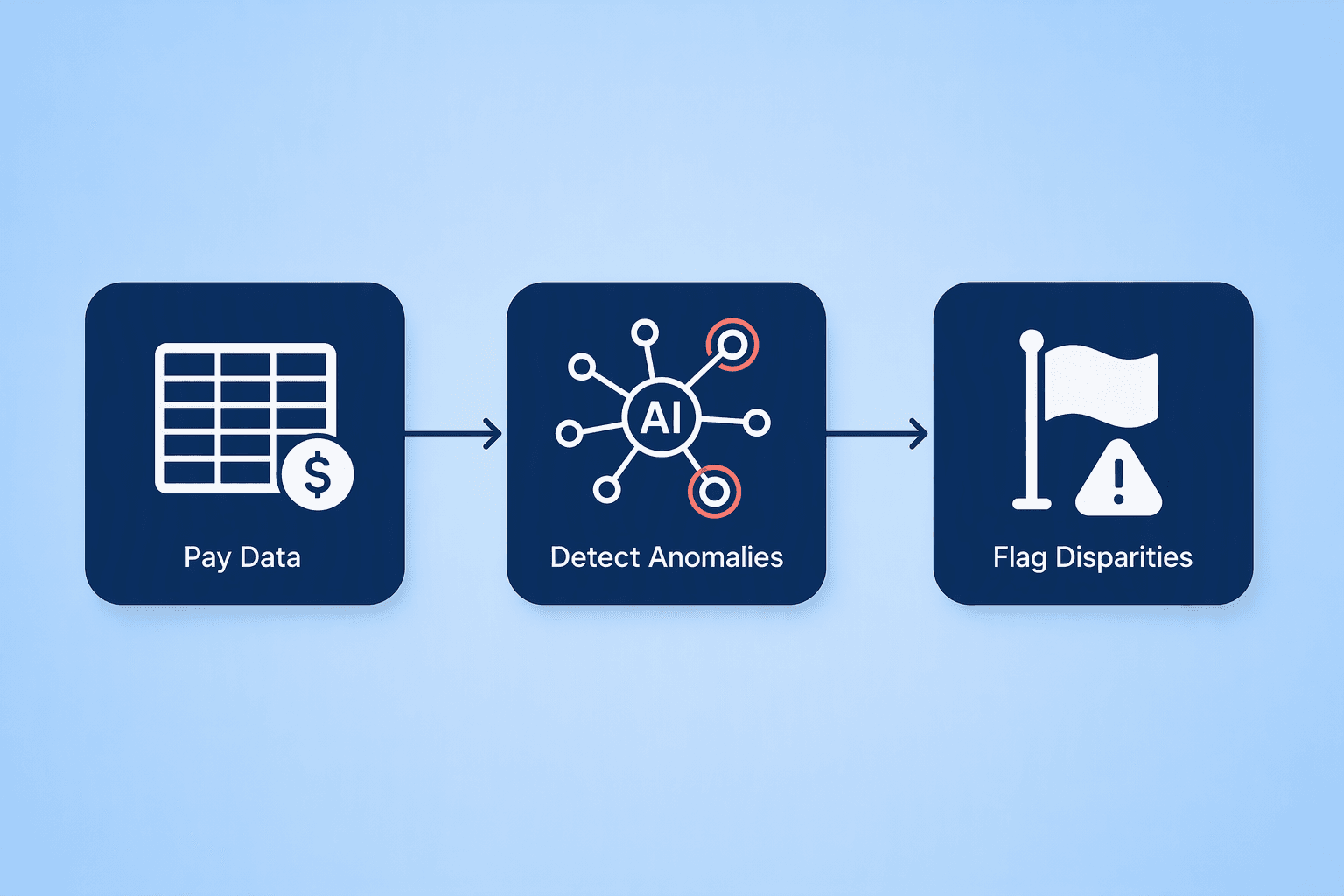
CompUp moves pay equity analysis from a once-a-year fire drill to a real-time operational signal, embedding continuous monitoring directly into the compensation workflow.
Syndio operationalizes the statistical methodology that outside counsel would use, then wraps the entire workflow in a structure designed to invoke attorney-client privilege.
The platform runs pre-built multiple regression models that isolate the effect of gender or race on compensation after controlling for legitimate factors like tenure, performance, and job level. The math is well-established. The legal architecture around it is what sets the tool apart.
Every analysis lives inside a privilege framework that structures how findings are reviewed, escalated, and remediated. This matters because DCI builds Similarly Situated Employee Groups around how your organization actually sets pay, so results hold up when they are examined line by line.
If a plaintiff's attorney demands discovery, an unprotected internal analysis becomes exhibit A. Syndio's remediation scenario modeling lets you test the budget impact of adjustments across departments before committing to a number, a critical step when the cost of closing a gap can run into millions. For organizations facing a credible litigation threat or preparing for a merger where pay equity representations are being warranted, operationalizing privilege is not optional.
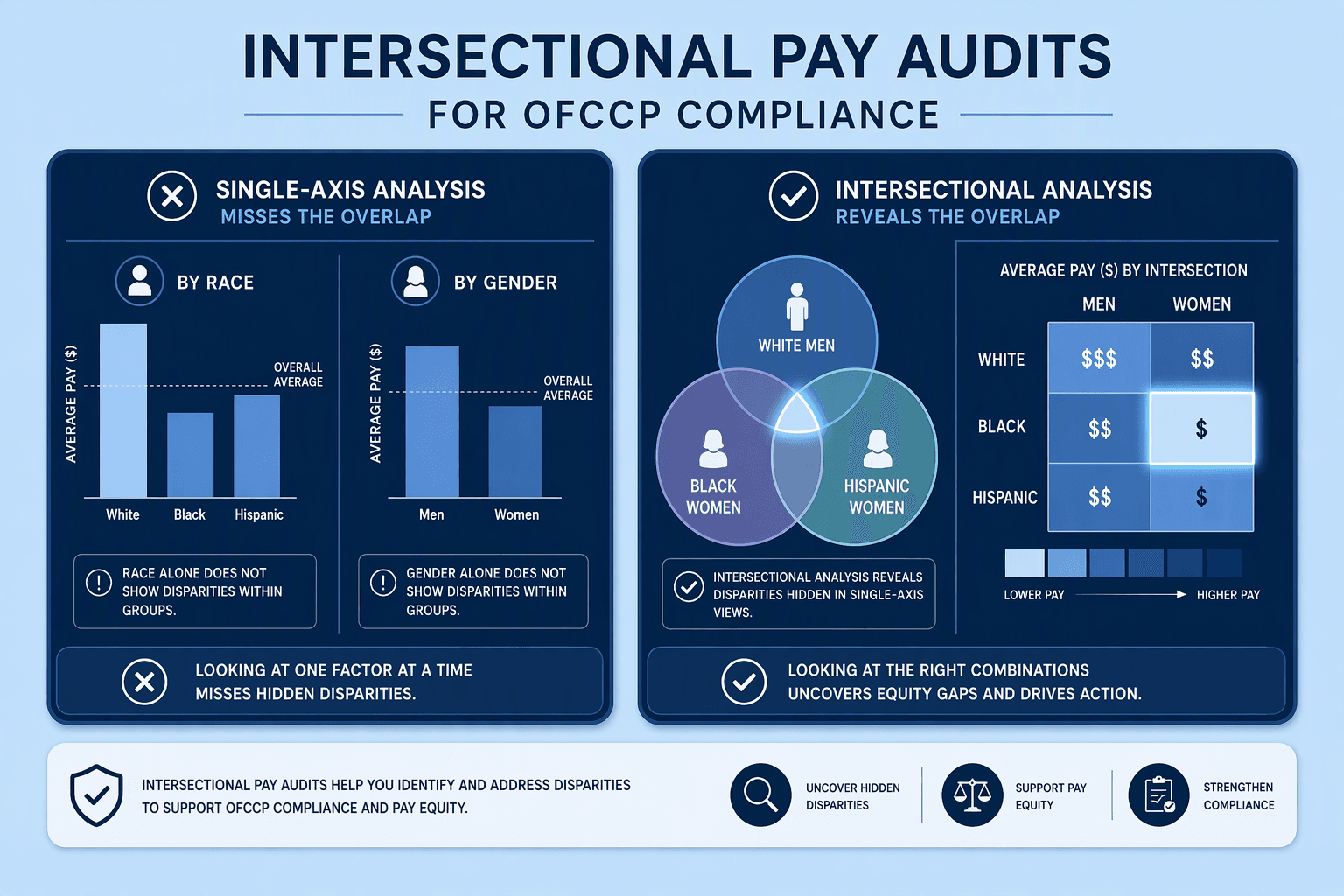
A single-axis analysis checks for gender disparities and race disparities separately. It misses the compounded effect when those categories overlap. Trusaic PayParity maps the intersecting dimensions federal contractors must address.
| Audit Dimension | Single-Axis Analysis | Trusaic PayParity Intersectional Approach |
|---|---|---|
| Protected class treatment | Gender and race analyzed independently | Analyzes overlapping demographic cohorts such as Black women versus white men, Hispanic men versus white women |
| OFCCP compliance posture | Meets basic annual audit requirement | Built for OFCCP annual audit mandates with adverse impact analysis and narrative reporting support |
| Risk detection | May miss disparities concentrated at demographic intersections | Surfaces pay differences that appear only when two protected categories interact, closing the most common audit blind spot |
| Legal defensibility | Leaves an unexamined intersection that a regulator or plaintiff can exploit | Creates a more complete evidentiary record that the employer examined all plausible cohorts |
Multi-state employers face federal law through Title VII and the Equal Pay Act, plus state-specific requirements in California, Illinois, Massachusetts, Minnesota, New Jersey, and Oregon. For a company with 5,000 employees and federal contracts, a single-axis audit is increasingly insufficient for a clean OFCCP desk audit.
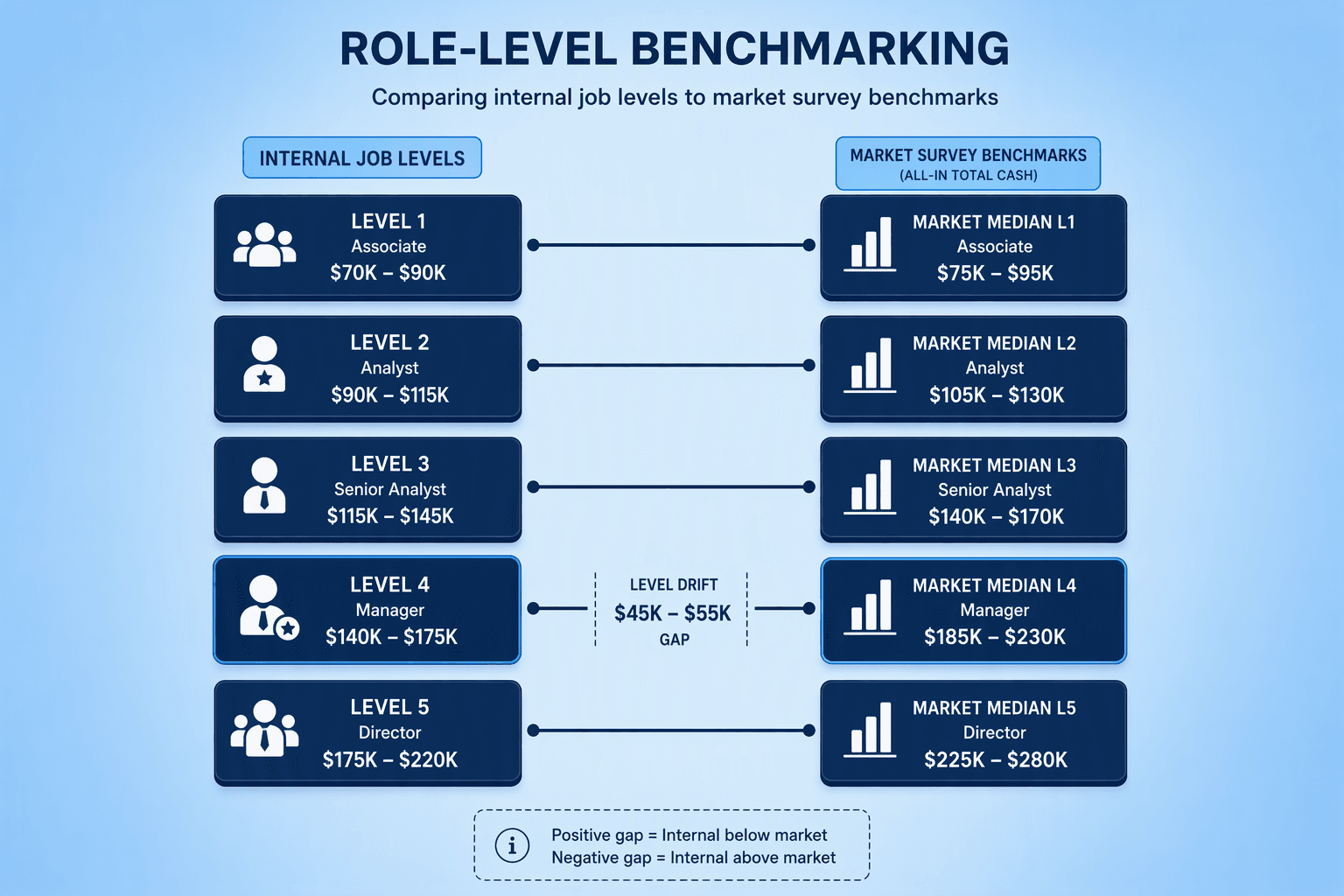
CompAnalyst attacks the root cause that regression alone misses: inconsistent job leveling. When a Senior Engineer in one unit carries the same scope as a Lead in another, the disparity exists before any compensation decision is made.
CompAnalyst maps your roles to external survey data, flagging where internal leveling has drifted from the market. A Product Manager role benchmarked at a market median of $135,000 might sit in a grade capped at $118,000, while an identical-scope role in a different business unit lands at the correct level. The gap crosses business units rather than staying contained within a single department or pay band.
The platform surfaces these structural misalignments as systemic leveling errors, not as one-off outliers to adjust individually. The output is an equitable salary structure grounded in external benchmarks. It replaces the accumulated legacy of individual negotiations and pay decisions that payroll regression alone cannot reconstruct into a clean foundation.
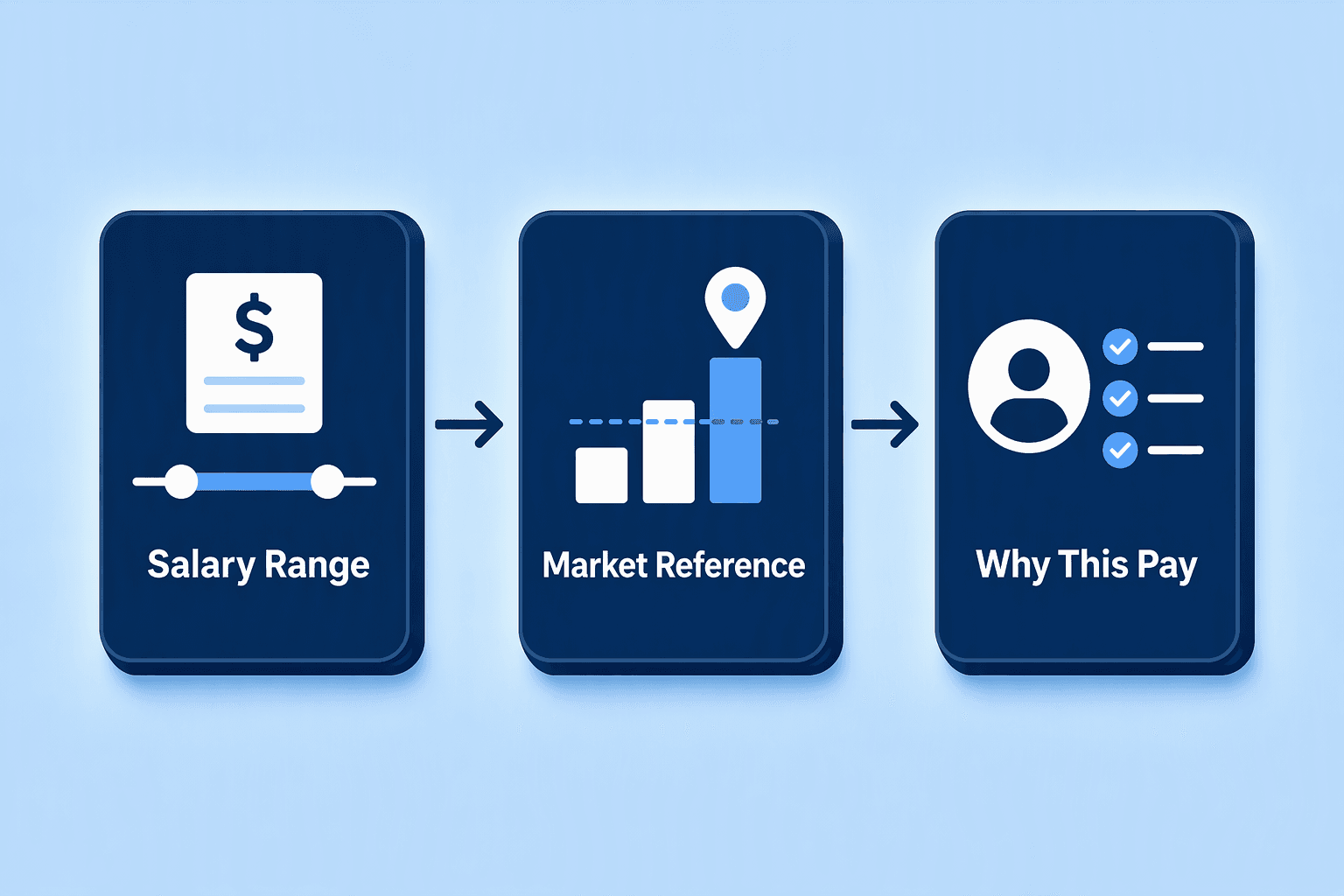
A mathematically corrected pay structure fails if employees do not trust it. Payscale addresses the information asymmetry that drives negotiation-based disparities by combining market data integration with outward-facing pay communication tools.
The platform enables employers to share how a given pay range was determined, what the market reference point is, and why an individual's compensation sits where it does. Unintended salary gaps typically emerge where process variability meets human judgment. When pay determination is opaque, the employees who negotiate aggressively or arrive with privileged market information capture a premium that compounds across cycles.
Payscale's communications layer closes that asymmetry by making the rationale transparent to everyone. The tool benchmarks roles against external market rates, giving managers a defensible, data-backed answer to the question every compensation conversation eventually arrives at: "How did we arrive at this number?"
The most persistent pay disparities are not created in the current merit cycle. They are inherited from a compensation decision made at the point of hire five years ago, when someone anchored an offer to a prior salary that was already below market. ADP DataCloud traces that lineage back to its origin.
The platform accesses historical payroll and HR data to reconstruct the full arc of an employee's compensation history, surfacing the specific moments where a disparity was introduced. This matters because a single regression snapshot of current pay will flag the gap but cannot reveal its cause. ADP's analysis isolates patterns like systemic under-leveling at hire for specific demographic groups or a promotion cycle where one cohort consistently received smaller percentage increases than similarly situated peers.
Conduct pay equity audits. Regular audits help identify unexplained differences by analyzing base pay, variable compensation, job level, performance ratings and tenure. ADP DataCloud turns that guidance into a longitudinal investigation, tracing a disparity to the exact department, level, and decision point where it first appeared.
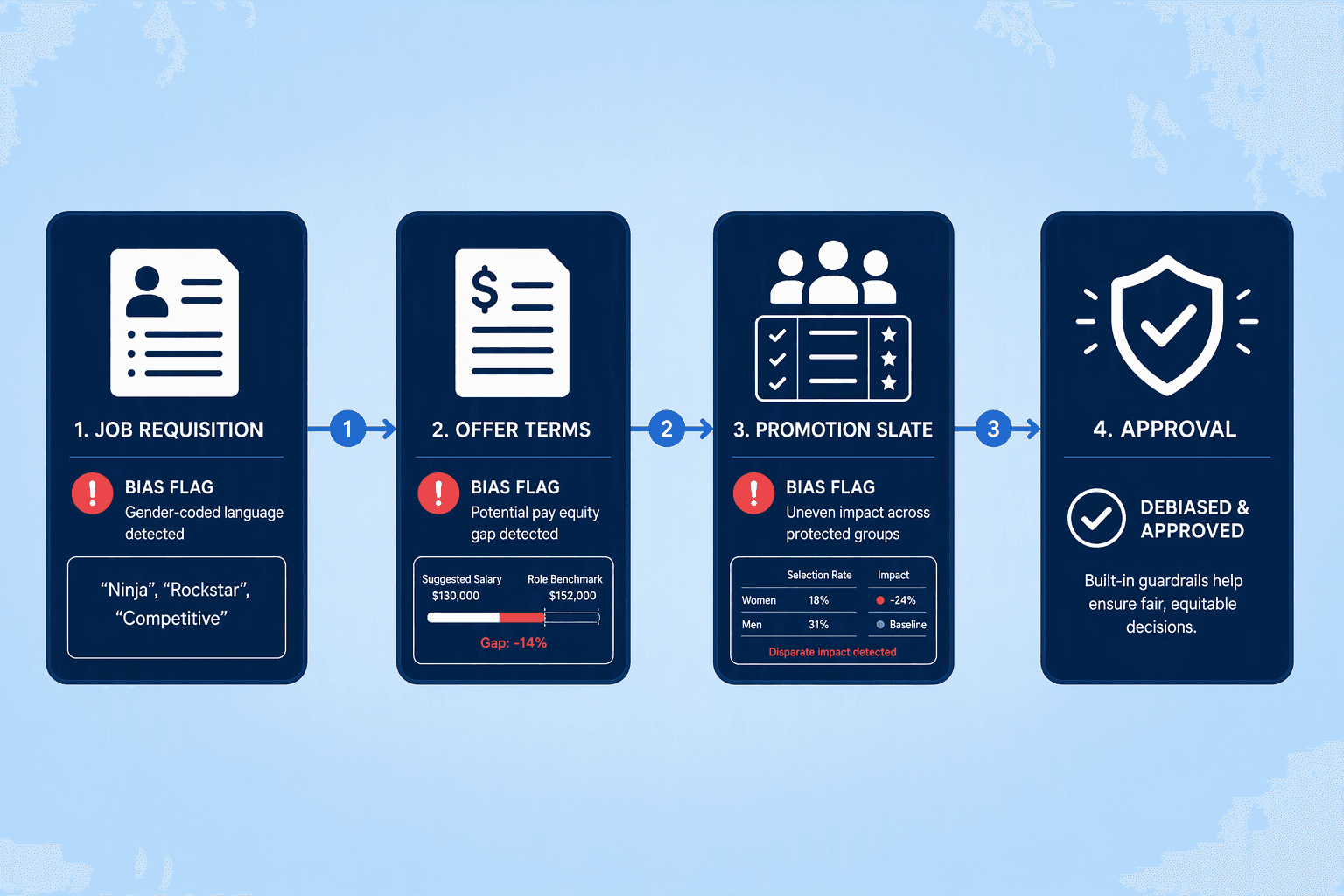
Pipeline Equity flags biased language in a job requisition the moment a hiring manager writes it. It catches inequitable offer terms before they become a compensation record you have to fix later. The real-time debiasing engine surfaces problematic criteria, skewed requirements, and demographic exclusions that compensation tools only measure in hindsight.
The platform operates inside the hiring and promotion workflow where the decisions actually happen. When a manager builds a promotion slate or drafts interview criteria, Pipeline surfaces bias at the point of decision, criteria that correlate more with network access than job performance, for example. The core difference from a regression tool is straightforward: Pipeline prevents pay disparity by blocking biased decisions upfront, rather than flagging them in a spreadsheet after the fact. For an organization that has already run a Syndio regression analysis and corrected historical gaps, Pipeline ensures the next generation of pay decisions does not reintroduce the same patterns in a fresh cohort.
The seven tools map to a coherent pay equity lifecycle: monitor continuously with CompUp, establish privilege-protected statistical rigor with Syndio, close intersectional audit gaps with Trusaic PayParity, rebuild leveling with Salary.com CompAnalyst, communicate transparently with Payscale, trace legacy root causes with ADP DataCloud, and prevent new disparities at the point of decision with Pipeline Equity.
The regulatory pressure to act has already arrived. As of 2026, federal contractors face mandated annual audits under OFCCP, and state-level pay transparency and equal-pay laws cover more employers every legislative session. The organizations treating pay equity as a one-time consulting engagement are the ones whose unexplained variance turns into a publicly reported liability. A good next step is seeing how CompUp puts this into practice.
A pay disparity is a systematic difference in compensation between employees performing substantially equal work. Federally, the Equal Pay Act of 1963 prohibits paying different wages to men and women for jobs requiring equal skill, effort, and responsibility under similar working conditions.
ADP research identifies legacy pay anchoring where offers are tied to a candidate's prior salary rather than market ranges, inconsistent job leveling across departments that slotted similar roles into different grades, and varying negotiation outcomes that compound over multiple merit cycles.
Practitioners use multiple regression analysis to isolate the effect of gender or race on pay after controlling for legitimate factors like tenure and performance, or cohort ratio comparison grounded in Title VII and the Equal Pay Act, as DCI Consulting describes.
DCI Consulting's framework outlines five steps for conducting pay equity analysis:
A pay equity analysis compares compensation for substantially equal work after controlling for role, experience, and performance, using regression methods. A pay gap analysis measures the raw average difference in pay between groups across the entire organization without these controls.
Federal contractors face mandated annual OFCCP pay equity audits. Additionally, states including California, Illinois, Massachusetts, Minnesota, New Jersey, and Oregon have enacted their own equal pay, pay data reporting, or certification requirements that multi-state employers must track.
Community Manager (Marketing)
As a Community Manager, I’m passionate about fostering collaboration and knowledge sharing among professionals in compensation management and total rewards. I develop engaging content that simplifies complex topics, empowering others to excel and aim to drive collective growth through insight and connection.
Revolutionizing Pay Strategies: Don't Miss Our Latest Blogs on Compensation Benchmarking